

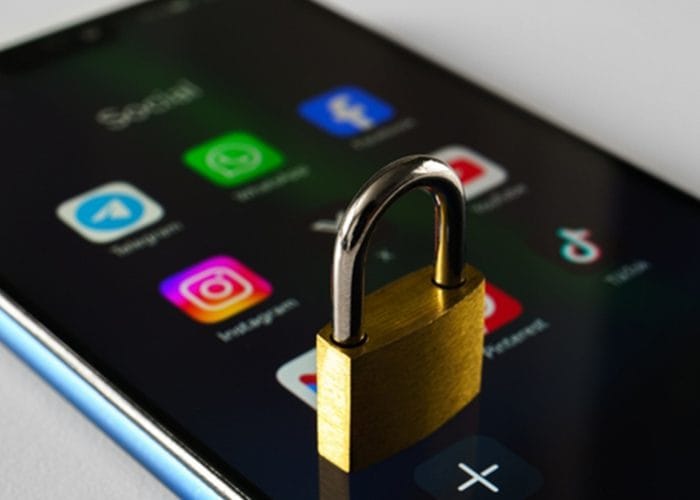
Australia’s under-16s social media ban begins today, raising urgent questions about how young people will stay connected, where online risks may shift and what support teenagers and parents will need as the new rules come into effect.
Curtin University experts across internet safety, psychology and child wellbeing say the ban may reduce some harms but will also introduce new challenges that families should be prepared for.
Professor Tama Leaver, an expert in internet studies and social media, said the ban may reduce certain risks but will not resolve underlying issues around online safety. “The ban may well reduce some risks, but it doesn’t solve anything. Cyberbullying will still exist because messaging platforms are mostly exempt from the ban. Untrustworthy adults may still be able to find ways to reach and speak to teens across almost any platform. The job of helping young people learn to navigate the digital world safely is ongoing and helping teens continue (or start) that conversation matters. Opening a door so young people have someone to turn to if they experience something challenging, confronting or terrible online is vital.”
Associate Professor Patrick Clarke, a psychology researcher, said many teenagers rely on social media as a primary form of social connection, and its abrupt removal may be destabilising. “For some teenagers, social media isn’t just entertainment, it’s a major source of social connection. Suddenly losing those connections can be jarring, and for some vulnerable young people that abrupt change may trigger significant distress or feelings of isolation. Teenagers who are already struggling with anxiety, depression or bullying may be hit the hardest. For some, social media provides a space to escape. Taking that away without support could deepen their sense of hopelessness.”
John Curtin Distinguished Professor Leon Straker, who researches technology use and its effect on children’s physical wellbeing, said the ban may also lead to health improvements. “The ban could be helpful by making teenagers think about how they use screens, and by creating conversations with their parents. Teenagers will be able to find new ways to socialise – preferably ones that involve doing things together with friends in the real world. Enjoying a hobby together or just going for a walk in nature can provide the social support teenagers need, with the added benefits of creating something and/or being physically active. There may also be a bonus benefit of better sleep – helped by removing some of the late night scrolling and social media notifications that can reduce the quality and quantity of sleep.”
Experts say the start of the ban today is not a complete solution, but a moment that will require ongoing guidance, open communication and awareness from parents, educators and the wider community.